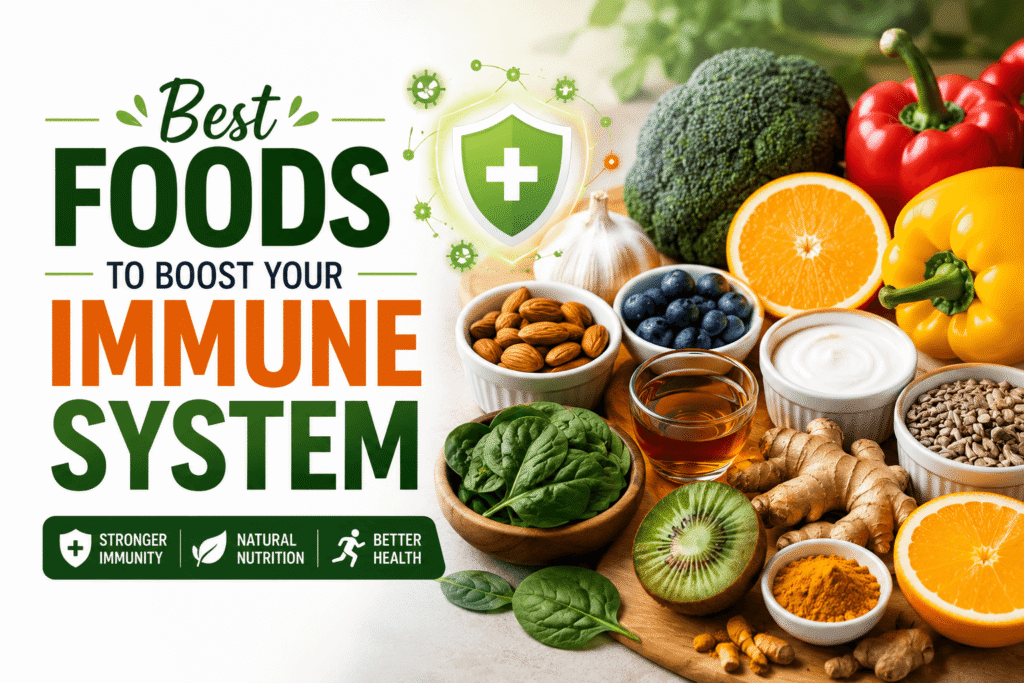
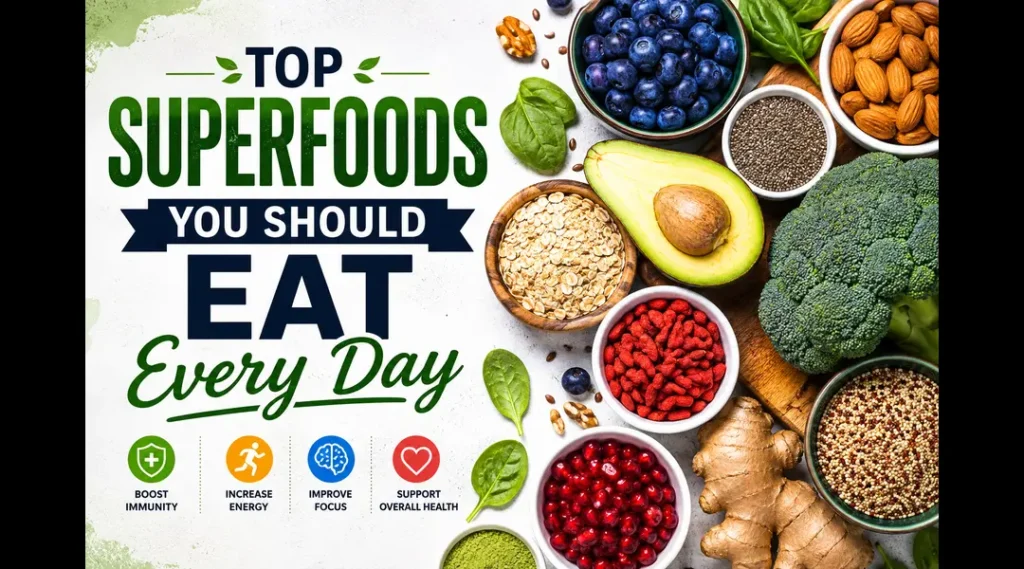
Eating healthy doesn’t have to be complicated. One of the easiest ways to improve your overall well-being is by adding nutrient-rich foods to your daily meals. These foods, commonly known as top superfoods, are packed with vitamins, minerals, antioxidants, healthy fats, and fiber that support your body in many ways.
While no single food can magically prevent disease or guarantee perfect health, regularly eating a variety of superfoods can help strengthen your immune system, improve digestion, increase energy levels, and support heart and brain health.
In this guide, you’ll discover what superfoods are, why they matter, and the top superfoods you should eat every day to maintain a healthier lifestyle.
What Are Superfoods?
Superfoods are natural foods that provide exceptionally high levels of nutrients compared to their calorie content. They are rich in essential vitamins, minerals, antioxidants, healthy fats, fiber, and plant compounds that support overall health.
Although “superfood” is a popular nutrition term rather than an official medical classification, many foods commonly labeled as superfoods are backed by scientific research for their health benefits.
The key is not to rely on one superfood but to include a variety of nutrient-rich foods in your regular diet.
Why Are Top Superfoods Important?
Adding superfoods to your daily meals offers many benefits.
These foods can help:
- Strengthen your immune system
- Improve heart health
- Support healthy digestion
- Reduce inflammation
- Protect cells from oxidative stress
- Improve brain function
- Help maintain healthy weight
- Support healthy skin and hair
- Increase natural energy
Combined with regular exercise, quality sleep, and good hydration, these foods can become an important part of a healthy lifestyle.
Top Superfoods You Should Eat Every Day
Blueberries
Blueberries are often considered one of the healthiest fruits available. Despite their small size, they are loaded with nutrients.
Health Benefits
- Rich in antioxidants
- Supports memory and brain health
- Promotes heart health
- Helps fight inflammation
- Good source of vitamin C and fiber
Enjoy them fresh, frozen, or mixed into yogurt, smoothies, or oatmeal.
Spinach
Spinach is a nutrient-dense leafy green that deserves a place in your daily diet.
Nutrients Found in Spinach
- Iron
- Vitamin A
- Vitamin C
- Vitamin K
- Folate
- Magnesium
Health Benefits
- Supports healthy bones
- Improves eye health
- Helps maintain healthy blood pressure
- Supports immune function
You can add spinach to salads, soups, smoothies, omelets, or sandwiches.
Salmon
Salmon is one of the best natural sources of omega-3 fatty acids.
Why Salmon Is a Superfood
Omega-3 fats play an important role in:
- Brain health
- Heart health
- Eye health
- Reducing inflammation
Salmon also provides high-quality protein and vitamin D.
Aim to eat salmon two or three times per week if possible.
Greek Yogurt
Greek yogurt is packed with protein and beneficial probiotics.
Benefits of Greek Yogurt
- Supports gut health
- Helps digestion
- Keeps you full longer
- Provides calcium for strong bones
- High in protein
Choose plain Greek yogurt without added sugar and add fresh fruit for natural sweetness.
Nuts
Almonds, walnuts, pistachios, and cashews are excellent healthy snacks.
Why Nuts Are Healthy
They contain:
- Healthy fats
- Protein
- Fiber
- Vitamin E
- Magnesium
Eating a small handful daily may support heart health and help reduce unhealthy snacking.
Chia Seeds
Chia seeds may be tiny, but they contain an impressive nutritional profile.
Benefits of Chia Seeds
- High in omega-3 fats
- Rich in fiber
- Good source of protein
- Supports digestion
- Helps maintain fullness
Sprinkle chia seeds into smoothies, yogurt, oatmeal, or overnight oats.
Oats
Oats are one of the healthiest whole grains available.
Health Benefits
- Supports heart health
- Rich in soluble fiber
- Helps control cholesterol
- Keeps blood sugar stable
- Provides lasting energy
A bowl of oatmeal makes an excellent breakfast choice.
Avocados
Avocados contain healthy monounsaturated fats that support overall wellness.
Benefits
- Supports heart health
- High in potassium
- Rich in fiber
- Helps absorb fat-soluble vitamins
- Keeps you satisfied
Spread avocado on whole-grain toast or add it to salads.
Broccoli
Broccoli is one of the most nutritious vegetables you can eat.
Nutritional Highlights
It contains:
- Vitamin C
- Vitamin K
- Fiber
- Folate
- Plant antioxidants
Regularly eating broccoli may help support immune health and healthy digestion.
Eggs
Eggs are affordable, nutritious, and incredibly versatile.
Benefits
- Excellent source of protein
- Contains choline for brain health
- Rich in vitamin B12
- Supports muscle maintenance
- Helps keep you full
Most healthy adults can safely enjoy eggs as part of a balanced diet.
Sweet Potatoes
Sweet potatoes provide slow-releasing carbohydrates and essential nutrients.
Benefits
- High in beta-carotene
- Rich in fiber
- Supports eye health
- Helps maintain steady energy
Bake, roast, or mash them for a delicious side dish.
Green Tea
Green tea is one of the healthiest beverages you can drink.
Why Drink Green Tea?
It contains antioxidants called catechins that may support:
- Heart health
- Brain function
- Healthy metabolism
- Overall wellness
Replacing sugary drinks with green tea is a simple healthy habit.
How to Add Top Superfoods to Your Daily Diet
Healthy eating doesn’t require major changes. Start with small improvements.
At Breakfast
- Oatmeal with blueberries and chia seeds
- Greek yogurt with nuts
- Whole-grain toast with avocado
At Lunch
- Spinach salad
- Grilled salmon
- Mixed vegetables
At Dinner
- Roasted broccoli
- Sweet potatoes
- Lean protein
Healthy Snacks
- Fresh fruit
- Mixed nuts
- Plain yogurt
- Vegetable sticks
Making gradual changes often leads to long-term healthy habits.
Common Myths About Superfoods
Many myths surround superfoods. Let’s separate fact from fiction.
Myth 1
One superfood can prevent disease.
Reality: No single food can replace a balanced diet or medical care.
Myth 2
Superfoods are expensive.
Reality: Many affordable foods like oats, spinach, eggs, and sweet potatoes are excellent superfoods.
Myth 3
More is always better.
Reality: Eating excessive amounts of any food isn’t ideal. Balance is essential.
Myth 4
Supplements are better than food.
Reality: Whole foods provide fiber and beneficial compounds that supplements often cannot replace.
Are Superfoods Safe for Everyone?
Most superfoods are safe for healthy individuals.
However, some people should consult a healthcare professional before making major dietary changes, especially if they:
- Have food allergies
- Take blood-thinning medication
- Have kidney disease
- Follow medically restricted diets
- Are pregnant or breastfeeding
A healthcare provider or registered dietitian can offer personalized guidance.
Lifestyle Habits That Maximize the Benefits of Superfoods
Healthy eating works best when combined with other positive habits.
Try to:
- Stay physically active
- Drink enough water
- Sleep seven to nine hours each night
- Reduce processed foods
- Limit added sugar
- Manage stress
- Avoid smoking
- Moderate alcohol consumption
Together, these habits create a strong foundation for long-term health.
The Future of Nutrition and Healthy Living
Nutrition science continues to evolve. Researchers are learning more about how food affects gut health, brain function, immunity, and chronic disease prevention.
Technology is also transforming healthcare and nutrition. Artificial intelligence is helping researchers analyze dietary patterns, improve personalized nutrition recommendations, and support early disease detection. You can learn more about this exciting development in our article on AI Is Revolutionizing Healthcare.
Final Thoughts
Including top superfoods in your daily meals is one of the simplest ways to support long-term health. Foods like berries, leafy greens, whole grains, healthy fats, lean proteins, and probiotic-rich dairy products provide essential nutrients that help your body function at its best.
Remember that no single food is a miracle solution. The greatest benefits come from eating a balanced diet, staying active, getting enough sleep, and maintaining healthy lifestyle habits.
Start by adding one or two superfoods to your meals each week. Small, consistent changes can make a meaningful difference over time, helping you build healthier habits that last for years.
Frequently Asked Questions
What are the top superfoods to eat every day?
Some of the best choices include blueberries, spinach, salmon, Greek yogurt, oats, broccoli, chia seeds, eggs, nuts, avocados, sweet potatoes, and green tea.
Can superfoods help with weight management?
Yes. Many superfoods are rich in protein and fiber, which help you feel full longer and support healthy eating habits.
Are frozen fruits and vegetables still healthy?
Yes. Frozen produce often retains most of its nutrients and can be an affordable option throughout the year.
Do children benefit from superfoods?
Absolutely. Many superfoods provide nutrients that support healthy growth and development when included as part of a balanced diet.
Should I eat every superfood every day?
No. Variety is more important than eating the same foods daily. Aim to include different nutrient-rich foods throughout the week.