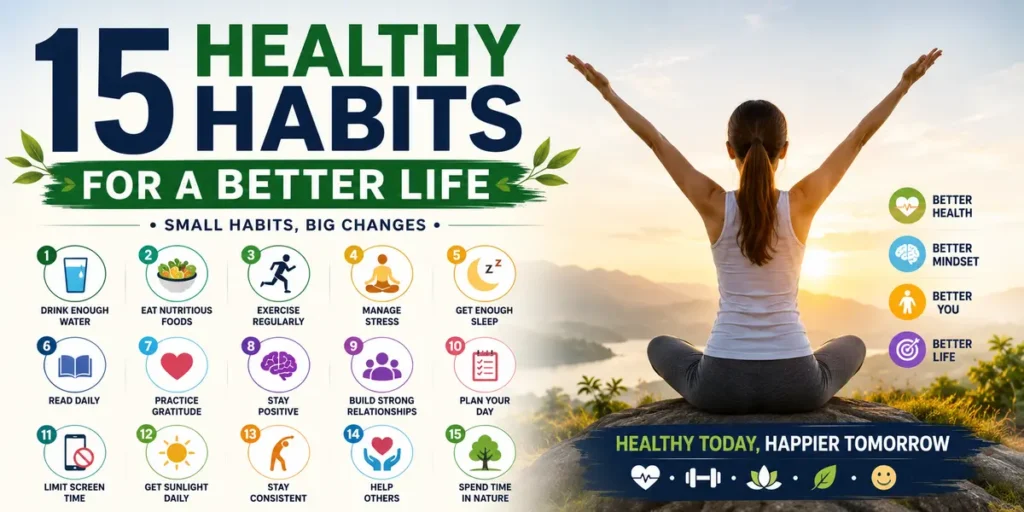

Living a healthier life is not about following extreme diets or making impossible lifestyle changes. In 2026, healthy living is all about creating balanced habits that support your physical health, mental wellness, energy levels, and overall quality of life.
With busy schedules, digital distractions, and changing health trends, many people are looking for simple and sustainable ways to feel better every day. The good news is that small improvements in your daily routine can create long term benefits.
This ultimate guide to Healthy Living will help you understand the most important areas of wellness, including nutrition, exercise, sleep, stress management, and mindful habits. Whether you are starting your wellness journey or improving your existing routine, these practical tips can help you build a healthier lifestyle.
What Does Healthy Living Mean in 2026?
Healthy living means maintaining habits that support your body, mind, and emotions. It is a complete approach that includes eating nutritious foods, staying active, managing stress, getting quality sleep, and creating positive daily routines.
Modern health is not only about avoiding illness. It is also about improving energy, confidence, productivity, and happiness.
In 2026, many people are moving toward a more balanced approach that focuses on:
Physical Wellness
Physical wellness includes regular movement, proper nutrition, hydration, and preventive healthcare. Taking care of your body helps you stay active and reduces the risk of many lifestyle related health problems.
Mental and Emotional Wellness
Mental health is a major part of overall wellness. Managing stress, practicing mindfulness, building healthy relationships, and taking breaks are essential for maintaining emotional balance.
Sustainable Lifestyle Choices
A healthy lifestyle should be realistic and enjoyable. Small consistent actions are usually more effective than temporary changes that are difficult to maintain.
Build a Balanced Nutrition Plan
Nutrition plays a major role in healthy living. The food you eat provides the energy your body needs to function properly.
A balanced diet does not mean completely avoiding your favorite foods. Instead, it means making smarter choices more often.
Focus on Whole Foods
Whole foods are foods that are closer to their natural form. They usually provide important nutrients, vitamins, minerals, and fiber.
Include more:
- Fresh fruits and vegetables
- Whole grains
- Lean protein sources
- Healthy fats
- Nuts and seeds
- Plenty of water
Reducing highly processed foods, excess sugar, and unhealthy fats can support better energy levels and overall health.
Practice Mindful Eating
Mindful eating means paying attention to what and how you eat. Instead of rushing through meals, take time to enjoy your food and recognize your hunger signals.
Simple habits include:
- Eating slowly
- Avoiding unnecessary distractions during meals
- Listening to your body’s hunger and fullness signals
- Planning meals ahead
These small changes can make healthy eating easier and more enjoyable.
Create an Effective Exercise Routine
Regular physical activity is one of the most important parts of a healthy lifestyle. Exercise supports heart health, muscle strength, flexibility, and mental wellbeing.
You do not need complicated workouts to stay active. Consistency matters more than intensity.
Combine Different Types of Exercise
A balanced fitness routine usually includes:
- Strength training to build and maintain muscles
- Cardio exercises to support heart health
- Flexibility exercises to improve mobility
- Daily movement such as walking
Beginners can start with simple activities and gradually increase their fitness level. Following a structured Daily Fitness Routine for Beginners can make it easier to create consistency and stay motivated.
Make Movement Part of Your Lifestyle
Exercise does not always need to happen in a gym. You can increase daily activity by:
- Taking regular walks
- Using stairs when possible
- Stretching during work breaks
- Spending more time outdoors
Finding activities you enjoy makes it easier to maintain a healthy routine.
Prioritize Quality Sleep
Sleep is one of the most overlooked parts of healthy living. Good sleep supports your immune system, mood, memory, and energy levels.
Many adults struggle with poor sleep because of stress, irregular schedules, and excessive screen time.
Improve Your Sleep Habits
Try these simple strategies:
- Maintain a consistent sleep schedule
- Create a relaxing bedtime routine
- Reduce screen exposure before sleeping
- Keep your bedroom comfortable and quiet
- Avoid heavy meals close to bedtime
Quality sleep allows your body to recover and prepares you for the next day.
Manage Stress for Better Health
Stress is a normal part of life, but continuous stress can affect both physical and mental health.
Learning how to manage stress is an important part of healthy living in 2026.
Simple Stress Management Techniques
Helpful practices include:
- Deep breathing exercises
- Meditation or mindfulness
- Spending time with loved ones
- Journaling your thoughts
- Enjoying hobbies
- Taking short breaks during busy days
Even a few minutes of relaxation each day can improve your mental wellbeing.
Stay Hydrated Every Day
Water is essential for almost every function in the human body. Proper hydration supports digestion, temperature regulation, energy, and concentration.
Many people forget to drink enough water during busy days.
Helpful hydration habits include:
- Keeping a water bottle nearby
- Drinking water with meals
- Choosing water instead of sugary drinks
- Paying attention to signs of dehydration
Your hydration needs may vary depending on activity level, weather, and personal health factors.
Develop Healthy Daily Habits
Healthy living becomes easier when good habits become part of your everyday routine.
Small actions can create meaningful results over time.
Morning Habits for a Better Start
A positive morning routine can improve your mood and productivity.
Consider:
- Drinking water after waking up
- Getting natural sunlight
- Planning your daily priorities
- Moving your body through stretching or exercise
Evening Habits for Better Recovery
Your evening routine helps your body prepare for rest.
Helpful habits include:
- Reducing screen time
- Preparing for the next day
- Reading or relaxing before bed
- Practicing gratitude
Use Technology in a Healthy Way
Technology can support healthy living when used correctly. Many people now use apps and devices to monitor fitness, nutrition, sleep, and wellness goals.
However, balance is important.
Create Healthy Digital Habits
Try:
- Taking regular screen breaks
- Avoiding excessive social media use
- Using technology for learning and wellness
- Maintaining offline connections
Technology should support your lifestyle, not control it.
Maintain Preventive Healthcare
Healthy living is not only about daily habits. Regular healthcare checkups are also important for long term wellness.
Preventive care helps identify potential health concerns early and allows you to make informed decisions.
Important steps include:
- Regular health screenings based on your needs
- Discussing concerns with qualified healthcare professionals
- Maintaining recommended vaccinations
- Understanding your personal health history
Always seek professional medical advice for specific health conditions or concerns.
Build a Positive Mindset
A healthy lifestyle requires patience. Many people give up because they expect immediate results.
Instead, focus on progress rather than perfection.
A positive mindset helps you:
- Stay consistent
- Learn from setbacks
- Celebrate small achievements
- Build confidence
Remember that healthy living is a lifelong journey, not a short term challenge.
Common Healthy Living Mistakes to Avoid
Many people struggle with wellness because of unrealistic expectations.
Avoid these common mistakes:
Following Extreme Diets
Very restrictive diets can be difficult to maintain and may not provide balanced nutrition.
Exercising Too Much Too Quickly
Starting with excessive workouts can increase the risk of injury and burnout.
Ignoring Mental Health
Physical health and mental health are connected. Both deserve attention.
Expecting Fast Results
Sustainable improvements happen through consistent habits over time.
The Future of Healthy Living in 2026
The future of wellness is focused on personalization, balance, and prevention. People are becoming more aware that health is influenced by daily choices, environment, mindset, and lifestyle.
The best approach is to create a routine that fits your personal goals and circumstances.
Healthy living in 2026 is not about being perfect. It is about making better choices, staying consistent, and creating habits that improve your quality of life.
Final Thoughts
Building a healthier lifestyle does not require major changes overnight. Small improvements in your food choices, activity levels, sleep habits, and stress management can create lasting benefits.
The key to successful Healthy Living is consistency. Choose realistic habits that you can maintain and enjoy.
By focusing on balanced nutrition, regular movement, quality sleep, emotional wellness, and positive routines, you can create a healthier and happier future in 2026 and beyond.