In today’s competitive online market, having a great product or service is no longer enough. Businesses need the right Digital Marketing Strategies to attract customers, build trust, and increase sales consistently. Whether you own a small business, an ecommerce store, or provide professional services, a well planned marketing strategy helps you reach the right audience at the right time.
Many businesses spend money on marketing but fail to achieve the expected results because they focus on random tactics instead of building a complete strategy. Successful brands combine SEO, content marketing, social media, email campaigns, paid advertising, and customer engagement to create a smooth customer journey.
This guide explains the most effective digital marketing methods that can help businesses improve visibility, generate qualified leads, and increase revenue while following modern SEO best practices.
Why Digital Marketing Matters for Business Growth
Digital marketing allows businesses to connect with potential customers wherever they spend time online. Unlike traditional advertising, digital channels provide measurable results that help improve future campaigns.
Some of the biggest benefits include:
- Reach a larger audience.
- Generate high quality leads.
- Improve customer trust.
- Increase brand awareness.
- Measure campaign performance.
- Improve return on marketing investment.
Businesses that continuously improve their marketing efforts often experience steady growth because they understand customer behavior and adapt their strategies accordingly.
Build a Strong Website First
Your website is the foundation of every digital marketing campaign. Even the best advertising cannot produce long term results if visitors land on a slow or confusing website.
A high converting website should include:
Fast Loading Speed
Visitors expect pages to load quickly. Slow websites often lose potential customers before they even explore the products or services.
Mobile Friendly Design
Most users browse websites on smartphones. Responsive design improves user experience and helps search engine rankings.
Easy Navigation
Visitors should quickly find information about products, pricing, services, and contact details.
Clear Call to Action
Every page should encourage visitors to take the next step, whether it is making a purchase, requesting a quote, or subscribing to a newsletter.
Focus on Search Engine Optimization
SEO remains one of the most valuable Digital Marketing Strategies because it brings consistent organic traffic without paying for every visitor.
A successful SEO strategy includes:
Keyword Research
Understand what your audience searches for before creating content. Target primary keywords along with related search terms that match user intent.
Useful keyword ideas include:
- Digital marketing tips
- Online marketing strategies
- SEO strategies
- Content marketing
- Social media marketing
- Lead generation
- Email marketing
- PPC advertising
- Conversion optimization
- Marketing automation
- Digital advertising
- Online business marketing
- Customer acquisition
- Brand awareness
- Local SEO
- Ecommerce marketing
- Marketing analytics
Using related keywords naturally helps search engines understand your content without keyword stuffing.
On Page SEO
Optimize:
- Page title
- Meta description
- URL
- Image alt text
- Internal links
- Headings
- Content readability
Technical SEO
Maintain:
- Secure HTTPS website
- XML sitemap
- Clean URL structure
- Fast page speed
- Mobile optimization
Technical improvements help search engines crawl and index your website efficiently.
Create Helpful Content That Solves Problems
Content marketing builds authority and earns customer trust over time.
Instead of creating promotional articles, answer real customer questions.
Examples include:
- Buying guides
- Industry tips
- Product comparisons
- Tutorials
- Frequently asked questions
- Case studies
Educational content often performs better because users appreciate information that helps them make informed decisions.
You can also explore Top Business Trends to discover emerging opportunities and create fresh content that matches changing customer interests.
Use Social Media to Build Relationships
Social media is more than posting promotional graphics. Successful brands interact with their audience regularly.
Effective social media content includes:
Educational Posts
Share practical tips related to your industry.
Behind the Scenes Content
Show your company culture and work process.
Customer Success Stories
Real experiences build credibility.
Short Videos
Video content often receives higher engagement across multiple platforms.
Consistency matters more than posting frequently for a short period.
Invest in Email Marketing
Email marketing continues to deliver one of the highest returns on investment.
Instead of sending sales emails every week, focus on providing value.
A balanced email strategy may include:
- Welcome emails
- Product education
- Helpful newsletters
- Seasonal offers
- Customer updates
- Personalized recommendations
Segmenting subscribers improves engagement because customers receive content relevant to their interests.
Run Paid Advertising Carefully
Paid advertising can generate quick results when managed properly.
Popular advertising channels include:
- Google Search Ads
- Google Display Ads
- Facebook Ads
- Instagram Ads
- LinkedIn Ads
- YouTube Ads
Before increasing your advertising budget, ensure that your landing pages are optimized for conversions.
Testing different headlines, images, and calls to action can significantly improve campaign performance.
Improve Conversion Rate Optimization
Driving traffic is only part of the process. Increasing conversions allows businesses to generate more revenue from existing visitors.
Simple conversion improvements include:
Better Headlines
Clear headlines immediately explain the value offered.
Trust Signals
Display:
- Customer reviews
- Testimonials
- Certifications
- Secure payment badges
Simple Forms
Reduce unnecessary fields to encourage more inquiries.
Clear Product Information
Provide accurate descriptions, pricing, and frequently asked questions.
Small improvements often create noticeable increases in sales.
Use Video Marketing
Video content has become one of the most engaging digital marketing formats.
Businesses can create:
- Product demonstrations
- Tutorials
- Customer testimonials
- Educational videos
- Frequently asked questions
- Company introductions
Videos help explain complex topics while building stronger customer confidence.
Leverage Local SEO
Local businesses should optimize for nearby customers.
Important local SEO practices include:
- Maintain consistent business information.
- Collect genuine customer reviews.
- Optimize location pages.
- Use local keywords naturally.
- Add accurate business details across directories.
Local visibility often leads to higher quality leads because users are actively searching for nearby services.
Track Performance with Analytics
Every marketing strategy should be measured regularly.
Monitor important metrics such as:
- Organic traffic
- Conversion rate
- Bounce rate
- Average session duration
- Click through rate
- Revenue
- Lead generation
- Returning visitors
Analyzing performance helps identify successful campaigns and areas needing improvement.
Common Digital Marketing Mistakes to Avoid
Many businesses struggle because they repeat common mistakes.
Avoid these issues:
- Ignoring SEO.
- Publishing low quality content.
- Targeting the wrong audience.
- Not tracking campaign performance.
- Having a slow website.
- Inconsistent branding.
- Overusing promotional content.
- Forgetting mobile users.
- Ignoring customer feedback.
- Not updating old content.
Correcting these mistakes often improves marketing performance without increasing the budget.
Combine Multiple Marketing Channels
The most successful businesses rarely depend on a single marketing channel.
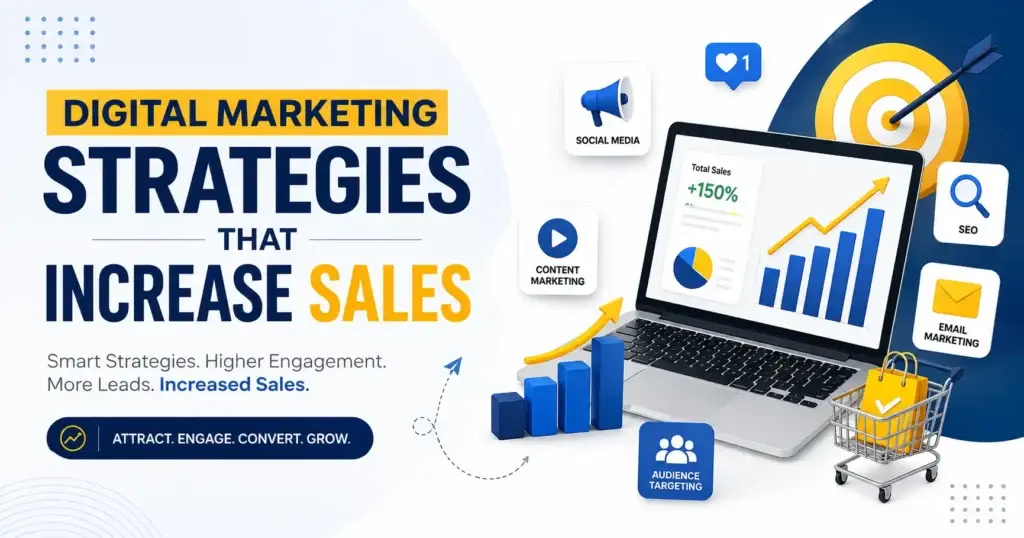
An effective strategy combines:
- SEO for long term traffic.
- Content marketing for education.
- Social media for engagement.
- Email marketing for customer retention.
- Paid advertising for faster growth.
- Analytics for continuous improvement.
Each channel supports the others, creating a stronger and more sustainable marketing system.
Businesses that also follow Top Business Trends can adapt their marketing strategies faster and stay ahead of competitors as customer expectations continue to evolve.
How to Create a Long Term Digital Marketing Plan
Instead of focusing only on short term campaigns, build a long term strategy that supports consistent growth.
A practical marketing plan should include:
Define Business Goals
Set measurable objectives such as increasing website traffic, generating leads, or improving online sales.
Understand Your Target Audience
Research customer needs, preferences, challenges, and buying behavior. The better you understand your audience, the more effective your marketing becomes.
Choose the Right Marketing Channels
Not every platform is suitable for every business. Focus on channels where your audience spends the most time.
Create a Content Calendar
Plan blog posts, social media updates, videos, and email campaigns in advance to maintain consistency.
Review and Improve
Digital marketing is always evolving. Regularly review campaign performance and make improvements based on data rather than assumptions.
Conclusion
Growing a business online requires more than occasional advertising. The most successful companies use a combination of SEO, content marketing, social media, email marketing, paid advertising, conversion optimization, and analytics to create a complete marketing system.
Implementing these Digital Marketing Strategies consistently helps attract the right audience, build customer trust, improve search visibility, and increase sales over time. Focus on delivering genuine value, creating helpful content, and continuously improving your website and campaigns based on real performance data.
With patience, consistency, and a customer first approach, digital marketing becomes one of the most effective investments for long term business growth.